Quick Answer: How Do You Clean A Dog’s Paws
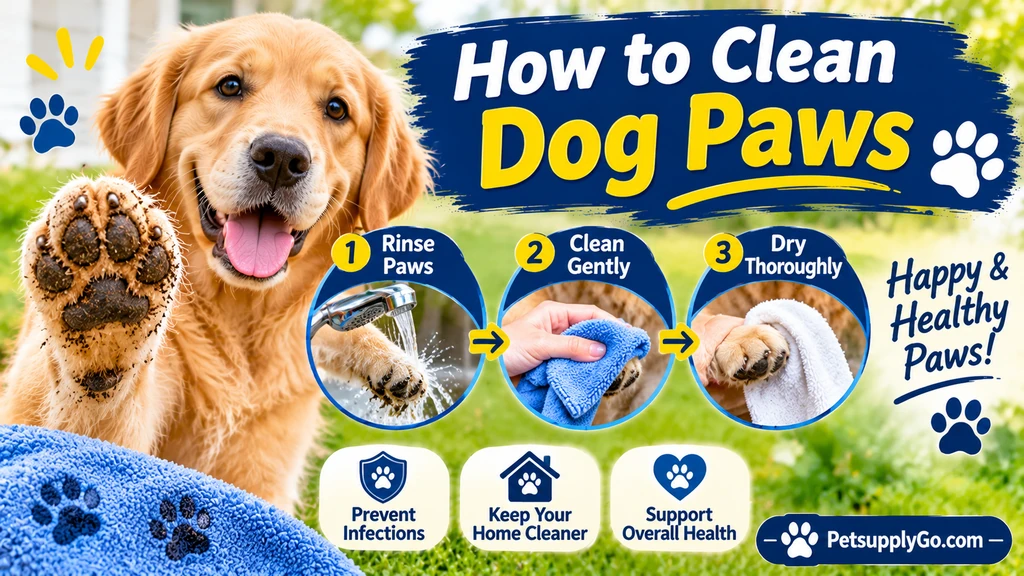
To clean a dog’s paws, wipe off loose dirt with a dry towel, then wash each paw with warm water and a mild pet safe soap or a dog paw wipe, rinse away all residue, and dry thoroughly, including between the toes. For very muddy paws, use a paw washer cup or a short foot soak, and always check pads and nails for cuts, cracks or foreign objects.
Key Takeaways
- Wipe paws after walks, especially after rain, mud, snow, salt, lawn treatments and city sidewalks.
- Use warm water and mild, dog safe products. Avoid harsh disinfectants, essential oils and anything your dog should not lick.
- Always dry between the toes. Trapped moisture can lead to irritation and yeast problems.
- A quick daily wipe beats an occasional big cleanup. Keep supplies right by the door.
- Check paws while you clean. Cuts, cracked pads, swelling, redness, odor or constant licking deserve a vet visit.
- Boots, paw balm and a good doormat cut the mess before it starts.
Anyone who owns a dog knows the sound. The patter of wet paws across the kitchen floor, followed by a trail of brown prints that stretch from the back door to the couch. Muddy paws are one of the most common headaches of dog ownership, and the problem gets worse every fall, winter and spring.
But clean paws are about more than saving your floors. A dog’s feet touch everything. Sidewalks, parks, puddles, lawns treated with chemicals, salted roads, dog park dirt and the occasional unspeakable thing in the grass. Your dog then walks into your home, jumps on your bed and licks those same paws. A quick, regular clean helps protect your home and your dog’s health.
This guide shows you how to clean dog paws step by step, which tools make it easier, how often to do it and how to deal with winter salt, mud, hot pavement and sticky messes. We also cover paw balm, boots, trimming, signs of paw problems, training a dog to accept paw handling, breed notes, a home setup for mud season and a long FAQ with thirty questions at the end.
A quick note before we begin. Pet Supply Go may earn a small commission if you buy through our links, at no extra cost to you. We focus on categories and features so you can match products to your own dog and home.
Quick Picks: Which Method Fits Which Situation
| Situation | Best Method | Why It Works |
| Light dirt after a short walk | Dog paw wipes or a damp towel | Fast and easy, no bath needed |
| Very muddy paws | Paw washer cup or a quick foot soak | Scrubs between toes and pads |
| Salt and ice melt in winter | Warm water rinse and a thorough dry | Removes chemicals before licking |
| Big dog with large paws | Bucket or shallow tub and a towel | Room for big feet and less bending |
| Small dog or puppy | Sink rinse or wipes | Easy control and gentle handling |
| Dog that hates paw handling | Wipes, treats and slow training | Builds comfort step by step |
| Allergy prone dog | Rinse after walks to remove pollen | Reduces allergens tracked inside |
| Messy dog park trip | Rinse with the hose or a bucket outside | Keeps mud out of the house |
| Budget buyer | Old towels and warm water | Cheap and effective |
Why Cleaning Your Dog’s Paws Matters
Dogs Pick Up More Than Mud
Paws collect dirt, bacteria, parasites, pollen, grass seeds, lawn chemicals, road salt, oil, pesticides and anything else that is on the ground. Many of these cling to the fur between the toes, where they can stay for hours.
Dogs Lick Their Paws
Dogs groom with their tongues. That means whatever is on their paws can end up in their mouths. De icing salt, antifreeze residue and lawn chemicals can cause stomach upset or worse. Cleaning paws removes what could be swallowed.
Protecting Your Home
Clean paws mean cleaner floors, bedding, couches and car seats. Wiping at the door cuts down on mopping, vacuuming and laundry.
Reducing Allergens
Dogs with seasonal allergies often get itchy after walks because pollen clings to their coat and feet. Rinsing paws can reduce the amount of allergen that follows your dog inside. Talk to your vet about allergies, since cleaning helps but does not replace treatment.
Spotting Problems Early
When you handle paws daily, you notice small cuts, swollen toes, cracked pads, broken nails, burrs and odd smells before they turn into big problems. A thirty second check can save a vet bill.
Keeping Paws Healthy
Dirt and moisture trapped between toes can irritate skin. Good cleaning, drying and trimming habits support healthy paws.
A Quick Tour Of A Dog’s Paw
Knowing the parts of the paw helps you clean thoroughly and spot trouble.
Paw Pads
The thick, rubbery cushions on the bottom absorb shock, give grip and protect from rough ground. The large pad in the middle is the metacarpal or metatarsal pad, and the smaller ones sit under each toe. Pads can crack, burn, blister or get cut.
Toes And Webbing
Most dogs have four weight bearing toes on each foot, with skin webbing between them. The spaces between toes are where mud, ice, burrs and moisture collect.
Nails
Nails grow from the tips of the toes. Long nails change how a dog walks, can break or split and tend to hold dirt. Regular trimming keeps paws healthier.
Dewclaws
Dewclaws are the small claws higher up on the inside of the leg, usually on the front legs, and sometimes on the back. They do not touch the ground and can snag, so keep them trimmed and check them when cleaning.
Fur Between The Pads
Some dogs have long fur between the pads and toes. It catches mud, ice balls and debris. Trimming it makes cleaning easier and helps prevent painful mats and ice balls.
The Carpal Pad
Higher on the back of the front legs sits a small pad called the carpal pad. It helps with braking and traction. Look at it as you check paws.
How Often Should You Clean Your Dog’s Paws
There is no single rule. How often depends on where you walk, the weather, your dog’s health and your home. Here is a general guide.
| Situation | Suggested Frequency | Notes |
| Muddy, rainy or snowy walks | After every walk | Quick wipe or rinse at the door |
| Winter walks on salted sidewalks | After every walk | Remove salt and de icers right away |
| City sidewalks and dog parks | After every walk or at least daily | Wipe off bacteria, grime and chemicals |
| Lawns treated with chemicals | Immediately after contact | Rinse thoroughly and follow product warnings |
| Dry, clean outdoor play in your own yard | Every day or every other day | Quick wipe or check |
| Dogs with allergies | After every outdoor trip | Reduces pollen exposure |
| Dogs with paw problems | As directed by your vet | Use only products your vet approves |
| Indoor dogs with little outdoor time | A few times per week | Check for dirt and clean as needed |
A good rule of thumb is to wipe paws every time they come in dirty or wet, and to do a more thorough wash when needed. Do not overdo full baths, since soaking daily with soap can dry the skin.
Signs Your Dog’s Paws Need Attention
- Limping, favoring a paw or refusing to walk
- Licking, chewing or biting at the paws
- Redness, swelling or heat in the toes or pads
- Cracked, peeling, dry or bleeding pads
- Blisters or burns, especially after walking on hot pavement or ice melt
- Cuts, scrapes or objects stuck between the toes
- Strong odor, such as a corn chip or yeasty smell
- Brown staining of the fur, often from constant licking
- Broken, split or overgrown nails
- Lumps or bumps between the toes
- Discharge or pus
- Hair loss around the paws
Mild issues may improve with cleaning and care, but do not ignore persistent or severe signs. Painful paws can signal infections, allergies, injuries or other medical problems, and your vet can help find the cause.
What You Need To Clean Dog Paws
You do not need fancy gear, but a few simple items make the job quicker and more pleasant.
- Old towels or microfiber towels dedicated to paw cleaning
- Dog safe paw wipes, or soft cloths and warm water
- A paw washer cup or a small bucket
- Mild, dog safe shampoo or a gentle soap designed for pets
- A soft brush or silicone scrubber for caked mud
- Treats to reward patience
- Paw balm for dry or cracked pads
- Blunt scissors or a small trimmer for fur between pads
- Nail clippers or a grinder
- A doormat, tray or washable mat at the entry
- Boots for winter or rough ground
How To Clean Dog Paws Step By Step
Here is a simple method that works for most dogs and most messes. Adjust for your dog’s size, temperament and the type of dirt.
Step One: Stop At The Door
Before your dog tracks dirt through the house, stop at the entry. Use a leash or a baby gate if needed, and keep your cleaning supplies close.
Step Two: Remove Loose Dirt
Use a dry towel or a soft brush to knock off loose mud, snow and debris. This makes the wash much more effective and keeps water cleaner.
Step Three: Choose Your Method
For a light wipe, use a damp towel or dog safe wipe. For heavy mud, use a paw washer cup, bucket or tub with lukewarm water. For a quick rinse, use a hose or sink sprayer, making sure the water is not too cold or too strong.
Step Four: Wash Each Paw Gently
Hold the paw and wipe or swish it in water. Gently separate the toes and clean between them. Rub the pads and the top of the paw. Use a small amount of mild pet safe soap only when needed.
Step Five: Rinse Thoroughly
Make sure all soap and residue is gone. Soap left on the skin can irritate and may be licked off.
Step Six: Dry Completely
Pat each paw with a clean towel, including between the toes and around the pads. Do not rub hard. Moisture trapped between toes can cause problems.
Step Seven: Check The Paws
Look at the pads, toes and nails. Check for cuts, cracks, redness, swelling and objects stuck in the fur. Feel for burrs and ice balls.
Step Eight: Apply Balm If Needed
If the pads look dry or rough, apply a small amount of dog safe paw balm. Keep your dog from licking it for a few minutes by offering a treat or toy.
Step Nine: Reward Your Dog
Give praise and a treat. Positive experiences make paw cleaning easier next time.
Step Ten: Clean Up Your Tools
Wash towels and cups regularly. Dirty gear can spread bacteria.
Different Ways To Clean Dog Paws: Pros And Cons
Dry Towel And Brush
The simplest method. It removes loose dirt and works well for dry dust or dried mud. It does not remove chemicals or sticky substances.
Damp Towel Or Washcloth
A warm, damp towel works well for light dirt. Wipe each paw and between the toes, and then dry. It is cheap, but you need a fresh cloth for each paw if the mud is heavy.
Dog Paw Wipes
Pre moistened wipes are convenient for quick cleanups, travel and apartment living. Choose fragrance free wipes made for dogs, and check that they are gentle on skin. They can be less effective on heavy mud, and the cost adds up.
Paw Washer Cup
A small cup with soft silicone bristles inside. You fill it with water, insert the paw and swirl. It cleans between toes and pads quickly and keeps mess contained. Some dogs dislike the feel, and very large paws do not fit.
Foot Soak In A Bucket Or Tub
A shallow tub or bucket with lukewarm water works for big dogs and heavy mud. Let your dog step in, then rinse and dry. It can be messy and slow.
Sink Or Shower Rinse
Good for small dogs and for a thorough clean after salt or chemicals. Use a sprayer or cup, keep the water lukewarm and avoid soaking the whole dog unless needed.
Garden Hose
A hose is great outside in mild weather. Use lukewarm water if possible and gentle pressure. Do not blast the water, and avoid cold hoses in winter.
Full Bath
Sometimes the whole dog needs a bath. Use dog shampoo, and do not overdo it. Frequent baths can dry the skin.
| Method | Best For | Pros | Cons |
| Dry towel and brush | Dry dust, dried mud | Fast, cheap | Does not remove chemicals |
| Damp towel | Light dirt | Simple, no equipment | May need many cloths |
| Paw wipes | Quick cleanups, travel | Convenient | Cost, less effective on heavy mud |
| Paw washer cup | Muddy paws, small and medium dogs | Cleans between toes, tidy | Large paws may not fit |
| Bucket or tub soak | Big dogs, heavy mud | Room for large paws | Messy, slower |
| Sink or shower rinse | Salt, chemicals, small dogs | Thorough rinse | Needs lifting or access |
| Hose | Outdoor cleanup | Fast, outdoors | Cold water, pressure |
Safe Products And Ingredients: What To Use And What To Avoid
Because dogs lick their paws, anything you put on them should be safe to swallow in small amounts. Choose products made for dogs, and read labels.
Good Choices
- Plain warm water, which is often enough for light cleaning.
- Mild dog shampoo or a gentle pet safe soap.
- Fragrance free, alcohol free paw wipes made for dogs.
- Dog safe paw balms with simple ingredients such as plant waxes and oils.
- Soft, clean cloths or towels that are used only for pets.
Ingredients And Products To Avoid
- Essential oils, especially tea tree oil, which can be toxic to dogs.
- Harsh disinfectants, bleach and strong household cleaners.
- Human products with fragrance, alcohol or xylitol.
- Hydrogen peroxide for routine cleaning, since it can irritate skin.
- Strong antiseptics unless your vet recommends them.
- Products that are not labeled safe for pets.
- Medicated creams unless prescribed.
If your dog has a wound, infection or skin problem, ask your vet which products are safe. Do not guess, since some products that seem gentle can cause harm if licked.
Our Best Paw Care Picks By Category
Every dog and home is different, so we group recommendations by situation. When you shop on Amazon, use these descriptions as a checklist and read recent reviews from owners with dogs like yours. Brands and features change often, so confirm current details on the listing.
Best For Muddy Paws: Silicone Paw Washer Cup
A paw washer cup with soft silicone bristles lets you dip each paw, swirl and lift, and it cleans between the toes. It is perfect for muddy, rainy weather. Choose the right size for your dog, and make sure the cup is easy to rinse.
Who it suits: small and medium dogs and quick cleanups. Who should skip it: giant breeds with very large paws.
Best For Quick Daily Cleanups: Fragrance Free Dog Paw Wipes
Dog safe paw wipes live by the door or in the car. They are great after short walks, at the park and when traveling. Pick thick, unscented wipes that are free of harsh ingredients.
Who it suits: apartment dwellers, travelers and dogs with light dirt. Who should skip it: very muddy dogs, who need water.
Best For Big Dogs: Large Bucket Or Shallow Tub Setup
Big dogs need room. A sturdy bucket or shallow tub with a non slip bottom lets them step in and out safely. Pair it with a large absorbent towel or a microfiber mat.
Who it suits: Labs, Shepherds, Goldens, Great Danes. Who should skip it: dogs that panic about stepping into tubs.
Best Towel: Absorbent Microfiber Paw Towel
Microfiber towels dry quickly and absorb a lot of water. Keep a stack by the door and wash them often. Some towels have built in pockets for hands, which makes drying easier.
Who it suits: every dog home. Who should skip it: none.
Best For Winter: Dog Boots And Paw Balm
Boots keep salt, ice and cold off the paws, and balm protects pads. Choose boots with flexible soles, secure closures and a good fit. Pair with a gentle balm to prevent cracking.
Who it suits: dogs in snow and salt, and sensitive paws. Who should skip it: dogs that cannot be trained to wear them.
Best For Entryway Control: Absorbent Doormat And Boot Tray
A thick, absorbent doormat catches mud and water. A boot tray or washable mat gives wet gear somewhere to drip. Choose a mat with a non slip back.
Who it suits: homes with several dogs and families. Who should skip it: none.
Best For Sensitive Skin: Gentle Fragrance Free Cleanser
Dogs with allergies or irritated skin do best with simple, fragrance free products. Look for short ingredient lists, and ask your vet for recommendations.
Who it suits: allergy prone dogs and dogs with itchy paws. Who should skip it: dogs with medical issues that need vet prescribed treatment.
Best For Travel: Compact Wipes And A Foldable Bowl
On the road, carry wipes, a small towel and a collapsible bowl for rinsing. A zip bag keeps dirty items separate.
Who it suits: road trippers and hikers. Who should skip it: dogs that stay home.
Best Budget Setup: Old Towels, A Bucket And Mild Soap
You can build a good paw station for almost nothing. Use old towels, a plastic bucket, lukewarm water and a mild dog shampoo. Add treats and patience.
Who it suits: everyone. Who should skip it: none.
Winter Paw Care: Salt, Ice, Snow And Antifreeze
Winter is rough on paws. Cold surfaces, ice, snow and chemical de icers can crack and burn pads, and dogs often lick them off.
The Problem With Ice Melt And Road Salt
Rock salt and chemical de icers dry out paw pads and can cause irritation and chemical burns. If your dog licks them off, they can upset the stomach. Many products are not pet safe, and labels like pet friendly do not always mean harmless.
What To Do Before The Walk
- Trim the fur between pads so ice balls do not form.
- Apply a dog safe paw balm or wax to create a barrier.
- Put on boots if your dog will tolerate them.
- Plan routes that avoid heavily salted sidewalks.
- Keep walks shorter in extreme cold.
What To Do After The Walk
- Wipe or rinse paws with lukewarm water right away.
- Dry between the toes and around the pads.
- Check for cracks, cuts and ice balls.
- Apply balm if the pads look dry.
- Keep your dog from licking until the paws are clean.
Ice Balls Between The Toes
Snow can pack into the fur between the pads and form painful ice balls. Trimming helps. If your dog stops and limps, warm the paw gently with lukewarm water and pick out the ice.
Antifreeze Danger
Antifreeze is extremely toxic to dogs, and its sweet taste can attract them. Wipe up spills, and never let your dog lick puddles in driveways or parking lots. If you suspect your dog ate antifreeze, call your vet or an emergency clinic immediately.
Mud Season: Spring And Fall Paw Care
Spring and fall bring rain, mud, wet leaves and garden dirt. Muddy paws are inevitable, but the mess can be controlled.
- Keep a paw washer or a bucket at the door.
- Rinse paws in the yard with a hose or watering can before coming in.
- Use an absorbent mat to catch the first prints.
- Check for burrs, foxtails and grass seeds that stick in the fur.
- Check for ticks, which hide in the fur between the toes.
- Brush mud once it dries, since it is often easier to remove than wet mud.
- Wash and dry towels regularly.
Foxtails and grass awns are especially nasty in some regions. They can burrow into paws and cause infections. If your dog suddenly licks a paw constantly or has a swollen toe, see your vet right away.
Summer Paw Care: Hot Pavement, Sand And Sun
Hot pavement can burn pads quickly. If the back of your hand cannot stay on the surface for seven seconds, it is too hot for your dog’s paws.
- Walk early in the morning or after sunset.
- Stick to grass, dirt and shaded paths.
- Carry water and a towel to cool paws.
- Use paw wax or boots if you must walk on hot surfaces.
- Rinse sand, salt water and chlorinated pool water from paws after swimming.
- Watch for blisters, redness and limping after hot walks.
If you suspect a burn, rinse the paw with cool water and call your vet. Do not use ice directly, and do not apply home remedies without advice.
Why Dogs Lick Their Paws And What To Do
Occasional paw licking is normal grooming. Constant licking is not. It can be a sign of boredom, anxiety, allergies, pain or infection.
Common Causes
- Environmental allergies, such as pollen and dust mites.
- Food allergies or sensitivities.
- Yeast or bacterial infections between the toes.
- Foreign objects such as burrs, splinters or grass seeds.
- Dry, cracked or irritated pads.
- Injuries, cuts or broken nails.
- Parasites such as fleas and mites.
- Boredom, stress or compulsive behavior.
- Joint pain or arthritis, with dogs licking sore joints.
What You Can Do
Clean and dry paws after walks, trim fur between toes, keep nails short and offer enrichment, such as puzzle toys and walks. Do not use an e collar or bandages without vet advice. If the licking continues, redness appears or a smell develops, see your vet. Treating the cause is more effective than just stopping the licking.
The Yeasty Corn Chip Smell
Many owners notice a smell like corn chips on their dog’s paws. A mild version can be normal because of natural bacteria and yeast. A strong, sour or musty odor, especially with redness, brown staining or itching, can mean a yeast or bacterial infection. Keep paws dry and see your vet if the problem persists.
Paw Balm And Wax: How And When To Use Them
Paw balm softens and protects pads. It is useful in winter, in dry climates, after long hikes and for older dogs with rough pads.
How To Apply Paw Balm
- Clean and dry the paws first.
- Warm a small amount of balm between your fingers.
- Rub it gently onto the pads and around the edges of the toes, avoiding the spaces between the toes.
- Distract your dog with a treat or a short walk so they do not lick it off right away.
- Apply before walks for protection, or after for repair.
What To Look For In A Balm
Choose products made for dogs, with short ingredient lists and safe waxes and oils. Avoid heavy fragrances and ingredients your dog should not swallow. If the paws are cracked or bleeding, ask your vet before using any product.
Do Not Overdo It
Too much balm can make pads soft and prone to injury. Use it as needed, not every day, unless your vet recommends it.
Dog Boots: Are They Worth It
Boots protect paws from ice, salt, hot pavement, sharp objects and rough terrain. Some dogs love them, others walk like they are stepping in jelly. Training and a good fit make all the difference.
How To Choose Boots
- Measure paw width and length, and compare with the brand chart.
- Choose flexible, non slip soles that still let the dog feel the ground.
- Look for secure closures above the paw that do not rub.
- Check that the boots stay on during trotting.
- Choose breathable materials in warm weather, and waterproof ones in snow.
- Buy a full set of four.
How To Train A Dog To Wear Boots
Introduce one boot at a time. Reward your dog for sniffing it, touching it and wearing it for a few seconds. Gradually add boots on all four feet. Practice indoors, then in the yard, then on walks. Expect funny steps, and keep sessions short. If your dog hates boots, use balm and wipes instead.
When To Avoid Boots
Do not leave boots on for long periods, and take them off if they rub, slip or cause stress. Check toes and pads after every use.
Trimming Fur And Nails For Cleaner Paws
Fur Between The Pads
Long fur between pads collects mud, ice and debris. Use blunt tipped scissors or a small trimmer to cut it level with the pads. Go slowly and keep your dog calm. If you are unsure, ask a groomer to show you.
Nails
Short nails stay cleaner and help dogs walk properly. Trim every few weeks, or when you hear nails clicking on the floor. Use a clipper or grinder, avoid the quick, and reward your dog. If you are nervous, ask a vet or groomer for a demonstration.
Dewclaws
Check dewclaws often, since they can catch and curl. Keep them trimmed.
How To Teach A Dog To Accept Paw Handling
Many dogs are sensitive about their feet. Patient training makes cleaning easier for everyone.
Step One: Start With Touch
Gently touch your dog’s shoulder, then the leg, then the paw for a second. Give a treat after each touch. Keep sessions short.
Step Two: Hold The Paw
Lift the paw for a second, then release and reward. Gradually increase the time.
Step Three: Add Wiping
Use a dry cloth, then a damp one. Reward every step.
Step Four: Introduce Tools
Show the paw washer or wipes. Let your dog sniff them. Touch the paw with the tool, then reward.
Step Five: Practice Daily
A little practice every day builds trust. Keep it fun, and stop if your dog gets stressed.
Never force a dog or punish them for pulling away. If your dog growls, snaps or panics, talk to your vet or a trainer. Pain may be the reason.
Breed And Paw Type Notes
Hairy Footed Breeds
Dogs such as Golden Retrievers, Spaniels, Shih Tzus, Havanese and Poodles often have long fur between the toes. Trim it regularly, and expect more mud and ice.
Short Haired Breeds
Labs, Boxers and Pit Bull types have fewer tufts, but pads can still burn or crack. Use balm and boots as needed.
Large And Giant Breeds
Big paws are harder to fit into cups. Use a tub or bucket, and a big towel. Check for pressure sores and calluses.
Small And Toy Breeds
Small dogs often tolerate a sink rinse or wipes. Their paws chill quickly, so use warm water and dry well.
Flat Faced Breeds
Pugs and Bulldogs often have skin folds and sensitive paws. Dry carefully between toes.
Cold Weather Breeds
Huskies and Malamutes have fur between the toes that protects against snow. Do not trim it too short, but keep it tidy.
Senior Dogs
Older dogs may have thin pads and sore joints. Be gentle, and use warm water and soft towels.
Puppies
Puppies need early, positive paw handling. Start now, and reward every step.
Set Up A Paw Cleaning Station By The Door
The secret to clean floors is making paw cleaning easy and automatic. A small station by the entry means you will actually do it.
What To Put In Your Station
- A bucket or paw washer cup with a small pitcher for water.
- A stack of absorbent towels, or a hook for hanging them.
- A basket of paw wipes.
- Mild dog shampoo and paw balm in a small bin.
- A treat jar for rewarding calm behavior.
- A doormat, tray or washable mat for the first steps inside.
- A hook for the leash, coats and waste bags.
- A small brush for dried mud.
Make It A Routine
Dogs thrive on routine. Walk in, sit, get a wipe, get a treat. Within a few weeks, many dogs wait at the door and hold up a paw. Praise often, and keep the mood happy.
Choose The Right Location
The best spot is a mudroom, a garage entry, a covered porch or a hall with easy to clean floors. If space is tight, use a small corner with a mat and a basket.
Keep Water Handy
If you do not have a sink nearby, keep a pitcher or watering can at the door. Warm water makes cleaning easier, but even lukewarm works.
How To Keep Floors And Furniture Clean
- Place doormats inside and outside the door, so paws wipe twice.
- Use washable rugs in hallways, since they trap dirt.
- Keep a mop or microfiber cloth handy for quick floor wipes.
- Vacuum often with a pet friendly vacuum.
- Use washable throws on sofas and dog beds.
- Wash dog beds and blankets regularly.
- Keep a small towel near the bed to wipe paws before bedtime.
- Use a seat cover or towel in the car after muddy trips.
Do not scold your dog for muddy prints. Instead, change the routine so the mess never gets past the door.
How To Wash Paw Towels And Cleaning Gear
- Wash paw towels separately from household laundry.
- Use hot water if the fabric allows, and an unscented detergent.
- Skip fabric softener, which reduces absorbency.
- Dry towels fully to prevent mildew.
- Rinse paw washers, buckets and brushes after each use, and let them dry.
- Replace worn towels and silicone cups when they crack.
Special Situations
Dogs That Hate Having Their Paws Touched
Go slowly with treats, and use wipes before moving to water. A calm, short routine is better than a long struggle. If your dog snaps or shows severe fear, talk to your vet, since pain could be the cause.
Puppies
Make paw cleaning part of daily life from the start. Use gentle handling, a warm towel and treats. Keep sessions brief.
Senior Dogs
Older dogs may have sore joints, and lifting paws can hurt. Support the leg, work slowly and use warm water.
Dogs With Allergies
Rinse paws after outdoor trips to remove pollen. Use fragrance free products. Ask your vet about long term management.
Dogs With Injuries Or Surgery
Follow your vet’s instructions. Do not soak paws unless told, and keep bandages dry.
Multi Dog Homes
Clean one dog at a time, use fresh towels and keep the area calm. Reward each dog separately.
Dogs That Run Through Creeks And Ponds
Rinse mud and algae off paws, and watch for cuts. Natural water can carry bacteria, so dry well.
Hikers And Trail Dogs
Check paws during and after hikes. Carry wipes, a small towel, balm and a booty in case of a cut. Look for burrs, thorns and cracked pads.
Dogs In Apartments
Keep wipes by the door, and use a small mat in the hallway. Consider a quick wipe before the elevator.
Common Mistakes Owners Make When Cleaning Dog Paws
Using Human Products
Human soaps, sanitizers and wipes can irritate paws and may be unsafe if licked.
Skipping The Dry
Wet toes lead to irritation and yeast. Always dry between the toes.
Washing Too Often With Soap
Daily soap baths can dry the skin. Use water for light cleanups, and soap only when needed.
Ignoring Salt And Chemicals
Wiping dirt but leaving salt is a mistake. Rinse paws after winter walks.
Forcing A Dog
Force leads to fear. Go slowly and use treats.
Not Checking For Injuries
Cleaning is the best time to check pads, toes and nails. Do not skip it.
Using Cold Or Hot Water
Lukewarm water is comfortable. Cold water in winter is miserable, and hot water can burn.
Overusing Balm
Balm helps, but too much makes pads soft. Use it when needed.
Leaving Fur Untrimmed
Long fur between toes traps mud and ice. Trim regularly.
Troubleshooting Paw Cleaning Problems
| Problem | Likely Cause | What To Try |
| Dog pulls the paw away | Sensitivity or fear | Slow training with treats, short sessions and gentle handling |
| Paws still smell after cleaning | Moisture or infection | Dry thoroughly, and see your vet if the smell persists |
| Mud keeps coming inside | No entry routine | Set up a station, mats and a consistent routine |
| Dog licks paws after cleaning | Allergy, itch or taste of residue | Rinse well, check for irritation and ask your vet |
| Pads look dry and cracked | Cold, hot surfaces or dry air | Use balm, boots and shorter walks, and see your vet if cracks are deep |
| Wipes leave residue | Harsh or scented product | Switch to fragrance free wipes, or use plain water |
| Towels stay damp and smelly | Not dried enough | Wash hot, dry fully and rotate towels |
| Dog refuses boots | Odd feeling or poor fit | Retrain slowly, check the size and try a different style |
| Ice balls form between toes | Long fur and snow | Trim fur, apply balm and wipe after walks |
Dog Paw Cleaning Myths To Leave Behind
Myth: Dogs Do Not Need Their Paws Cleaned
Dogs groom themselves, but they can still carry chemicals, bacteria and allergens. Cleaning helps.
Myth: Human Wipes Are Fine
Many contain fragrance, alcohol or ingredients that can irritate or harm dogs.
Myth: A Daily Bath Is Best
Too many baths dry the skin. Wipe paws daily, and bathe as needed.
Myth: Licking Cleans The Paws
Dog saliva does not sanitize paws, and constant licking can cause problems.
Myth: Boots Are Just Fashion
Boots protect paws from ice, salt, heat and sharp objects.
Myth: Only Winter Is Hard On Paws
Summer pavement, spring mud and fall burrs can all hurt paws.
Myth: Paw Balm Fixes Everything
Balm helps with dryness, but infections and injuries need vet care.
Real Life Examples: What Changes With A Good Routine
These composite examples show what owners often report. Results vary by dog.
The Lab That Tracked Mud Everywhere
A young Lab came in from the yard with muddy paws every day. His owners put a bucket, a towel and a treat jar by the back door. Within two weeks, he would sit and wait for the wipe, and the floors stayed clean.
The Husky And The Salted Sidewalks
A Husky licked his paws after every winter walk. His owner started rinsing with lukewarm water and drying carefully, and used balm before walks. The licking dropped, and the paws stayed smooth.
The Small Dog Who Hated Wipes
A small terrier pulled away from any paw touch. His owner used tiny treats and five second sessions for a week. Soon he held still for a full wipe.
The Senior Golden With Cracked Pads
An older Golden had dry, rough pads. Gentle cleaning, balm and softer walking surfaces helped, and a vet check ruled out other issues.
Your Paw Care Checklist
- I have a station by the door with towels, wipes and a washer cup or bucket.
- I wipe or rinse paws after muddy, wet, snowy or salty walks.
- I dry between the toes every time.
- I use only dog safe products.
- I check pads, toes and nails for problems while cleaning.
- I trim fur between the pads and keep nails short.
- I use balm or boots when the weather or surface calls for it.
- I wash towels and tools regularly.
- I reward my dog for patience.
- I call my vet about limping, swelling, odor or constant licking.
When Paws Are Not Enough: Giving A Full Bath
Sometimes cleaning the paws alone will not do the job. If your dog rolled in something smelly, swam in a stagnant pond or is covered in mud up to the belly, a full bath may be the best choice. Here is a simple, gentle approach.
Before The Bath
- Brush your dog to remove loose hair and tangles, since mats trap water and dirt.
- Gather everything first, including shampoo, towels, a cup or sprayer and treats.
- Place a non slip mat in the tub or shower so your dog feels steady.
- Use lukewarm water, never hot or cold.
During The Bath
- Wet the coat thoroughly from the neck down, avoiding the eyes, ears and nose.
- Apply a small amount of dog shampoo and work it in gently, paying attention to the legs, belly and paws.
- Wash each paw, and rub between the toes.
- Rinse until the water runs clear. Leftover shampoo can irritate skin.
- Reward your dog throughout with praise and treats.
After The Bath
- Towel dry thoroughly, starting with the paws and legs.
- Dry between the toes, which tend to stay damp longest.
- If your dog tolerates it, use a pet safe dryer on a low, cool setting.
- Keep your dog warm until completely dry, especially in winter.
- Check the paws and skin for redness or irritation.
Most dogs only need a full bath every few weeks to few months, depending on coat, activity and skin. Frequent baths can strip natural oils. Between baths, rely on wipes and rinses for the paws.
Paw Hygiene And Your Household
Dogs bring the outside world into your home. Most of what they carry is harmless, but a few simple habits make a clean home easier and protect family members, especially babies who crawl, people with allergies and anyone with a weakened immune system.
- Wipe paws before your dog goes on the bed, couch or any surface where people sit.
- Keep a separate set of paw towels and wash them often.
- Wash your hands after cleaning paws or handling dirty gear.
- Clean floors with pet safe cleaners, and keep your dog off the floor until it dries.
- Keep crawling babies away from muddy or freshly walked areas until paws are clean.
- Wash dog beds, blankets and mats every week or two.
- Vacuum carpets and rugs regularly, because dirt trapped there can stay for months.
Think of the entry to your home as a checkpoint. A mat, a towel and thirty seconds are enough to catch most of the mess.
Paw Care In The Car And On Road Trips
Long drives and rest stops bring their own dirt. Gas station lots, rest area grass, motel parking lots and trailheads can carry oil, chemicals and debris. Keep paw gear in a bag in the car so you are always ready.
- Pack wipes, a small towel, a collapsible bowl for rinsing and a zip bag for dirty cloths.
- Wipe paws before your dog hops back into the car.
- Use a washable seat cover or blanket to protect upholstery.
- Check paws at each stop for cuts, burrs and heat damage.
- Keep a small jar of balm and a pair of boots for rough or hot surfaces.
- Avoid letting your dog walk through oily puddles or spilled fuel.
Never leave a dog alone in a parked car, especially in warm weather, even for a few minutes.
A Paw First Aid Kit For Hikes And Outings
If you hike, camp or spend long days outdoors with your dog, a small paw first aid kit can make a big difference. Keep these items in a pouch in your pack.
- Self adhesive bandage wrap that sticks to itself and not to fur
- Gauze pads and non stick pads
- Medical tape
- Blunt tipped scissors
- Tweezers for burrs and splinters
- Saline solution or clean water for rinsing
- A spare dog boot, which can protect an injured paw on the walk back
- A small towel or cloth
- Dog safe paw balm
- Your vet’s phone number and the nearest emergency clinic
A kit is for temporary care only. Any serious injury needs a veterinarian.
What To Do If You Find A Cut Or Scrape On A Paw
Paw pads have lots of blood vessels, so even small cuts can bleed a lot. Stay calm, and follow these general steps. When in doubt, call your vet.
Step One: Keep Your Dog Calm And Safe
A hurt dog may snap. Speak softly, and consider a muzzle or a helper if your dog is in pain.
Step Two: Look At The Paw
Check the pad, the toes and between the toes. Look for glass, thorns, splinters or objects stuck in the foot.
Step Three: Rinse Gently
Rinse the wound with clean lukewarm water or saline to remove dirt. Do not scrub.
Step Four: Control Bleeding
Apply gentle pressure with clean gauze for several minutes. If blood soaks through, add more gauze without removing the first layer.
Step Five: Protect The Paw
Cover with a non stick pad and wrap lightly with self adhesive bandage, making sure it is not too tight. Check the toes for swelling and cold.
Step Six: Call Your Vet
Deep cuts, bleeding that will not stop, wounds that gape open, embedded objects, signs of infection or limping that lasts need professional care. Do not remove deeply embedded objects yourself.
Do not use human ointments or home remedies on wounds without your vet’s advice, and keep your dog from licking the area.
Allergies And Paws: Why The Feet Itch
Many allergic dogs show symptoms on their paws first. Red, itchy, swollen, rust stained feet are a common sign. Allergies to pollen, dust mites, mold and certain foods can all cause paw problems.
How Paw Cleaning Helps
Wiping or rinsing paws after outdoor time removes pollen and other allergens before they spread through your home or soak into the skin. It does not cure allergies, but it can reduce exposure.
What Else To Try
- Keep your dog off lawns right after mowing or during high pollen days.
- Bathe on a schedule your vet recommends, using a gentle shampoo.
- Vacuum and wash bedding often.
- Use air filters in the home if recommended.
- Ask your vet about diet trials, medications or allergy testing.
Allergies are medical problems, and the right treatment depends on the cause. Do not guess, and see your vet if itching is persistent.
How To Choose Dog Paw Wipes
Not all paw wipes are equal. A few checks help you pick a product that cleans well and is gentle on skin.
- Look for wipes made for dogs, not baby wipes or general cleaning wipes.
- Choose fragrance free or lightly scented options, since strong scents can irritate.
- Check for alcohol free formulas, which are gentler on dry or cracked pads.
- Look for thick, soft cloths that do not tear when scrubbing between toes.
- Avoid wipes with essential oils or ingredients that can be harmful if licked.
- Check the size. Large dogs need big wipes or more than one.
- Look for a resealable package that keeps wipes moist.
- Consider biodegradable options if you use a lot.
- Read reviews for sensitive skin and cleaning power on muddy paws.
Wipes are best for quick jobs. For heavy mud, rely on water and a washer, and use wipes for the final touch.
Choosing The Right Size Paw Washer
A paw washer cup works only if the paw fits. Most come in a few sizes, and sizing is based on paw width and your dog’s weight.
| Dog Size | Approximate Paw Width | Cup Size | Notes |
| Toy and small | Under 2 inches | Small | Easy to use in a sink |
| Medium | About 2 to 3 inches | Medium | Good for most family dogs |
| Large | About 3 to 4 inches | Large | Check that all toes fit |
| Giant | Over 4 inches | Extra large or bucket | A tub or bucket may be easier |
Measure your dog’s paw width at the widest point, and compare with the product. If you are between sizes, choose the larger one so the paw does not get cramped.
Cost And Convenience: Wipes Versus Washer Versus Soak
| Method | Upfront Cost | Ongoing Cost | Best Use |
| Dry towel and brush | Very low | Laundry only | Dry dirt and dust |
| Damp cloth | Very low | Laundry only | Light dirt at home |
| Wipes | Low | Moderate, since wipes are single use | Travel and quick cleanups |
| Paw washer cup | Low to moderate | Very low | Daily muddy paws |
| Bucket or tub soak | Low | Very low | Big dogs and heavy mud |
Many owners use a mix. A washer cup or bucket lives by the door for muddy days, wipes ride in the car and a stack of towels covers everything else.
Seasonal Paw Care Calendar
| Season | Main Paw Challenges | What To Do |
| Fall | Wet leaves, mud, burrs, ticks | Rinse and dry paws, check for burrs, and trim fur between pads |
| Winter | Salt, ice melt, snow, cold surfaces | Use boots or balm, wipe after walks and watch for ice balls |
| Spring | Mud, puddles, pollen, lawn treatments | Rinse often, avoid treated lawns and keep a station at the door |
| Summer | Hot pavement, sand, pool chemicals | Walk at cool times, rinse after swimming and check for burns |
Review your routine at the start of each season. A small tweak in gear and habits can prevent most paw problems.
A Four Week Plan For A Cleaner Home And Healthier Paws
Week One: Set Up And Introduce
Create your paw station by the door. Introduce your dog to the towel, wipes and washer cup with treats and short sessions. Keep it fun.
Week Two: Build The Routine
Clean paws after every walk. Reward calm behavior, and practice holding each paw for a few seconds. Start trimming fur between pads if needed.
Week Three: Add Care Steps
Add balm or boots if the season calls for it. Check nails and trim if they are long. Practice drying between the toes.
Week Four: Fine Tune
Review what is working. Replace worn towels, restock wipes and adjust the setup. Notice how your dog responds, and keep the routine consistent.
After four weeks, most dogs accept paw cleaning easily, and most owners find it saves time and mess. If your dog still struggles, ask your vet or a trainer for help.
Teaching Kids To Help With Paw Cleaning
Kids can enjoy helping with paw duty, as long as an adult supervises. Simple jobs build responsibility and teach gentle handling.
- Hold the treat jar and reward the dog after each paw.
- Hand over the towel at the right moment.
- Help dry paws, with an adult guiding.
- Learn which paws look healthy, and tell an adult if something looks off.
- Remind everyone to wash their hands afterward.
Teach children to be calm and gentle, and to stop if the dog seems upset. Never leave young children alone with a dog.
Smart Shopping Tips For Amazon Buyers
- Read the full description, including ingredients and materials.
- Compare sizes and check which dog size the product is designed for.
- Look at customer photos that show real dogs using the product.
- Read reviews that mention your dog’s size and coat type.
- Check the one star and three star reviews to see how products fail.
- Look for safety information and brand contact details.
- Check the return policy before ordering.
- Buy one product at a time, test it and then add more if you like it.
- Be careful with listings that mix reviews across different products.
The best product is the one your dog tolerates and you actually use. Start simple, and add what you need.
Quick Recap Before You Shop
- Clean paws after muddy, wet, snowy or salty walks, and dry between the toes.
- Use warm water, mild dog safe products and soft towels.
- A paw washer suits small and medium dogs, and a bucket works for big dogs.
- Protect paws with balm or boots when the weather calls for it.
- Check paws for cuts, cracks, swelling and odor every time you clean.
- Set up a station by the door, and keep the routine consistent.
- See your vet for limping, constant licking or any worrying signs.
Understanding What Is On Your Dog’s Paws
It helps to know what you are actually cleaning off. The ground is full of invisible stuff, and a dog walks through it barefoot all day.
Bacteria And Germs
Sidewalks, parks and dog areas carry bacteria from other animals, spilled food, trash and soil. Most are harmless to a healthy dog, but they can irritate broken skin and spread through your home.
Parasites And Eggs
Soil and grass can hold parasite eggs and larvae, including hookworms and roundworms. Dogs can pick them up through their feet and mouth. Regular parasite prevention from your vet matters, and clean paws reduce exposure at home.
Chemicals From Lawns And Roads
Fertilizers, herbicides, pesticides, de icing salt, antifreeze, oil and gasoline residues stick to paws. Many of these should not be swallowed. Wiping paws after walks helps keep them out of your dog’s mouth.
Pollen, Mold And Dust
Seasonal pollen and mold spores ride in on paws and fur. They can set off itching in allergic dogs and sneezing in allergic people.
Ticks And Fleas
Ticks often hide between the toes and in the fur on the lower legs. A quick check during paw cleaning is a great habit, especially after walks in tall grass, woods and brush. Ask your vet about year round tick and flea prevention.
Sharp Objects And Plant Material
Glass, thorns, burrs, grass seeds, pine needles and tiny stones can lodge between the toes or pads. Finding them early prevents pain and infections.
None of this means the world is scary. It just means a quick wipe and look is a sensible part of dog care.
Quick Paw Check: A Thirty Second Routine
You can build a fast health check into every paw cleaning. Run through these steps in order, and soon it will take half a minute.
- Look at the pads for cracks, cuts, blisters, burns or foreign objects.
- Spread the toes gently and check the webbing for redness, sores or debris.
- Check the fur between the pads for mats, burrs and ice.
- Run a finger around the nails and the nail beds, looking for splits and swelling.
- Check the dewclaws, if your dog has them.
- Sniff for any unusual or strong odor.
- Notice whether your dog pulls away, flinches or seems sore when you touch a paw.
- Compare the left and right paws, since differences can reveal problems.
If you notice anything that worries you, take a photo and talk to your vet. Early attention often makes treatment simpler.
Making Paw Cleaning Fun For Your Dog
Dogs follow what predicts good things. If paw cleaning means treats, praise and a happy owner, many dogs accept it with a wagging tail. Here are a few ideas to turn it into a game.
- Teach a cue such as paw, and reward your dog for offering a foot.
- Use a lick mat with a thin spread of plain pumpkin or yogurt while you wipe paws.
- Keep the best treats for paw time only, so it feels special.
- Break the job into small pieces, such as one paw at a time, with breaks.
- Use a calm voice, gentle touch and a relaxed posture.
- End every session on a positive note, even if you only managed one paw.
- Practice when your dog is tired, since sleepy dogs tend to be cooperative.
A little patience now saves you months of mud wrestling. Many dogs begin to walk straight to the paw station after a few weeks, because they know what comes next.
Common Questions Owners Ask Their Vets About Paws
If you visit your vet about paw problems, a few details make the appointment more useful. Here is what to note ahead of time.
- When you first noticed the problem, and whether it is getting better or worse.
- Which paws are affected, and whether it is one foot or several.
- Whether your dog licks, chews or limps, and how often.
- Any recent changes, such as new food, new walking routes, lawn treatments or cleaning products.
- What products you have used on the paws.
- Photos of the paws, taken in good light.
- Your dog’s parasite prevention schedule.
Clear information helps your vet find the cause faster. Never be embarrassed to ask questions. Paw care is a big part of keeping your dog comfortable and mobile.
Paw Care For Dogs That Swim, Hike Or Play In Water
Water loving and trail loving dogs put their paws through a lot. Wet pads soften, and soft pads are easier to scrape and tear. Rocky trails, hot sand and rough pavement add wear.
After Swimming
Rinse paws if your dog swam in a pool, the ocean or a pond, since chlorine, salt and algae can irritate skin. Dry thoroughly between the toes, and let the paws air out. Blue green algae in warm, stagnant water is dangerous to dogs, so keep them out of scummy ponds and lakes.
After Hiking
Check every pad for cuts, thorns and burrs. Look between the toes for ticks and seeds. If the pads look worn or pink, give your dog a rest, and use balm or boots on the next trip.
Hot Sand And Beach Days
Sand can burn pads on sunny days, and salt water dries them. Bring water to rinse paws, a towel and boots for hot stretches. Test the sand with your hand before walking your dog across it.
Building Tougher Pads
Pads toughen gradually with regular walking on varied surfaces. Do not push a dog with soft pads into a long hike. Build distance slowly, and watch for wear.
Signs Of A Paw Emergency
Most paw issues are minor, but a few need fast attention. Call your vet or an emergency clinic right away if you see any of the following.
- Heavy bleeding that does not slow with pressure
- A deep cut, a torn pad or a pad that is partly peeled away
- A broken or torn nail with bleeding or severe pain
- A foreign object deeply stuck in the paw
- Swelling that spreads up the leg, or a paw that looks very red, hot or discolored
- Pus, a bad smell or red streaks on the skin
- A dog that will not put any weight on a leg
- Signs of frostbite, such as pale, gray or blue skin
- Burns or blisters, particularly after hot pavement or chemical exposure
- Possible exposure to antifreeze or other toxic substances
When in doubt, call. Vets would rather answer a question than treat a bigger problem that started small.
Frequently Asked Questions About Cleaning Dog Paws
How do I clean my dog’s paws?
Wipe off loose dirt, wash each paw with warm water or a dog safe wipe, rinse away residue and dry well, including between the toes. Check pads and nails while you clean.
How often should I clean my dog’s paws?
Clean paws after muddy, wet, snowy, salty or chemical exposed walks. For normal dry walks, a quick check or wipe a few times per week is usually enough.
What is the best way to clean muddy dog paws?
Knock off loose mud, then use a paw washer cup, a bucket of lukewarm water or a damp towel. Rinse and dry thoroughly.
Can I use baby wipes on my dog’s paws?
It is better to use wipes made for dogs. Baby wipes can contain fragrance or ingredients that may irritate skin or be unsafe if licked.
Are dog paw wipes safe?
Wipes made for dogs, free of fragrance, alcohol and harsh chemicals, are generally safe. Check the label and stop if your dog shows irritation.
Can I use soap to wash my dog’s paws?
Yes, a mild dog shampoo or pet safe soap is fine when needed. Rinse completely, and avoid human soaps with strong fragrance or harsh ingredients.
What is a paw washer?
A paw washer is a small cup with soft bristles that you fill with water. You dip the paw and swirl to clean between the toes and pads.
Do paw washers work?
Many owners find them helpful for muddy paws, especially on small and medium dogs. Large paws may not fit, so a bucket may work better.
How do I clean my dog’s paws after a walk in the snow?
Rinse with lukewarm water to remove salt and de icers, dry between the toes, check for ice balls and cracks, and apply balm if needed.
Is road salt dangerous for dogs?
Salt and de icers can irritate paws and upset the stomach if licked. Wipe paws after walks and avoid heavily treated areas.
How do I protect my dog’s paws in winter?
Use boots or paw balm, trim fur between the pads, avoid salted areas when possible and wipe paws after walks.
Should I use paw balm on my dog?
Paw balm can protect dry or cracked pads, especially in winter. Choose a dog safe product, and ask your vet if the paws are injured.
Are dog boots good for paws?
They can protect paws from ice, salt, heat and rough ground. Choose the right size, introduce them slowly and check paws after each use.
Why does my dog lick his paws so much?
Common reasons include allergies, boredom, injury, infection, dry skin and irritation. If licking is constant or paws look red or smell bad, see your vet.
Why do my dog’s paws smell like corn chips?
A mild corn chip smell can be normal due to natural bacteria and yeast. A strong or sour odor, redness or itching may signal an infection, so ask your vet.
How do I dry between my dog’s toes?
Use a clean, absorbent towel and gently pat between each toe. A pet safe dryer on a low, cool setting can also help.
Can I soak my dog’s paws?
Short soaks in lukewarm water work for dirt and salt. Avoid long or frequent soaks, which can dry the skin, and follow your vet’s advice for medical soaks.
How do I clean a dog’s paws without a bath?
Use wipes, a damp towel or a paw washer, and dry thoroughly. This is enough for most walks.
How do I get my dog to let me touch his paws?
Start with brief touches paired with treats, then gradually add holding, wiping and tools. Keep it positive, and stop if your dog is stressed.
Can I use vinegar or apple cider vinegar on dog paws?
Some owners use diluted vinegar, but it can sting irritated skin. Ask your vet before using it, especially on red or broken skin.
Is it safe to use hydrogen peroxide on paws?
It can irritate skin and slow healing, so it is not recommended for routine cleaning. Ask your vet about wound care.
How do I remove ice balls from my dog’s paws?
Warm the paw gently with lukewarm water and pick out the ice. Trim fur between pads and apply balm to prevent buildup.
How do I trim the fur between my dog’s paw pads?
Use blunt tipped scissors or a small trimmer, and cut the fur level with the pads. Go slowly, or ask a groomer to show you.
How do I know if my dog’s paw is injured?
Limping, licking, swelling, bleeding, redness, odor or a paw held up are signs. Check between the toes and ask your vet if you are unsure.
When should I take my dog to the vet for paw problems?
See your vet for deep cuts, bleeding, swelling, limping that lasts, strong odor, discharge, burns or constant licking.
How do I protect paws from hot pavement?
Walk at cooler times, stay on grass, test the pavement with your hand and use boots or paw wax if needed.
Are dog paws supposed to be rough?
Pads are naturally tough, but they should not be deeply cracked, peeling or bleeding. Dry, rough pads may benefit from balm and care.
What should I do after my dog walks on lawn chemicals?
Rinse paws right away with lukewarm water, dry them and follow the product warnings. Call your vet if your dog licks them or seems unwell.
How do I keep mud out of my house?
Set up a door station with a mat, towels and a washer cup. Wipe paws every time your dog comes in, and keep the routine consistent.
Where should I buy dog paw cleaning supplies?
Amazon offers many options with customer reviews. Choose products with clear ingredient lists, good photos from buyers and a fair return policy.
Final Thoughts: Clean Paws, Happy Dog, Happy Home
Cleaning your dog’s paws takes only a few minutes, but it pays off in cleaner floors, safer feet and a healthier dog. Make it a habit, keep supplies by the door and use gentle, dog safe products. A little praise and a treat turn a chore into a routine your dog may even enjoy.
Check paws as you clean, protect them in winter, summer and mud season and talk to your vet if something looks wrong. Browse paw washers, wipes, balm and boots on Amazon through Pet Supply Go, compare a few options for your dog’s size and read recent reviews from owners with similar dogs.
Disclaimer: This article is for general information and does not replace advice from a licensed veterinarian. As an Amazon Associate, Pet Supply Go earns from qualifying purchases.
AFFILIATE DISCLOSURE
Petsupplygo.com is a participant in the Amazon Services LLC As an Amazon associate program, I earn from qualifying purchases.This costs you nothing extra and help us keep our guide free.
Add a Comment