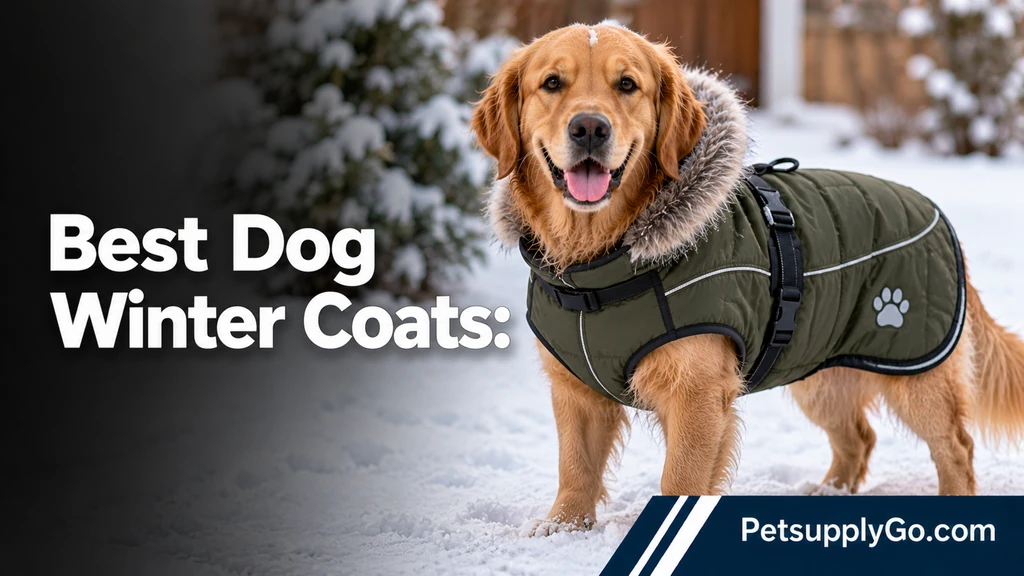
It’s 28 degrees outside, and you’re wearing a coat, a hat, gloves and a scarf. Your dog is standing at the door in the exact outfit they were born in, looking at you like you’ve forgotten something.
Some dogs genuinely don’t need a coat. A Siberian Husky in a snowstorm is basically in their element. But a Greyhound shivering on the sidewalk at 35 degrees is a different story, and so is a Chihuahua, a senior Lab with achy joints, a short-haired Pit Bull or a Dachshund whose belly nearly touches the snow.
Dog coats aren’t only a fashion statement, and they aren’t a scam either. For the right dog, a well-fitted coat makes cold-weather walks safer and more comfortable. For the wrong dog, a bulky coat can cause overheating, rubbing and a bad mood.
The best dog winter coat is one that matches your dog’s body, your climate and what you do outside. For short-haired, lean, small and older dogs in freezing weather, an insulated, waterproof coat with good belly coverage, a snug neck and a harness opening is usually best. For milder days and layering, fleece or a light puffer works. For dogs with thick double coats, skip the heavy coat entirely unless a vet says otherwise.
This guide explains which dogs need coats and which don’t, how cold is too cold, the main coat types, how to measure your dog, what features matter, well-known options, how to get your dog to wear one and how to care for it.
Quick Answer: Which Winter Coat Should You Buy?
| Your situation | Best option | Why |
|---|---|---|
| Short-haired, lean dog (Greyhound, Whippet, Pit Bull, Boxer) | Insulated, waterproof coat with belly coverage | Little natural insulation |
| Small or toy breed | Lightweight puffer or fleece-lined coat | Small bodies lose heat fast |
| Dachshund or long-bodied dog | Coat with extended back and belly coverage | Long spine, low belly |
| Barrel-chested breed (Pug, Frenchie, Bulldog) | Stretchy coat with a wide chest cut | Standard cuts fit poorly |
| Large dog on snowy walks | Waterproof parka with a harness opening | Keeps moisture out |
| Senior dog | Warm, easy-on coat | Older dogs feel cold more |
| Puppy | Light layer, size carefully | They grow fast |
| Wet, slushy weather | Full-coverage waterproof coat or snowsuit | Keeps legs and belly drier |
| Mild cold, active dog | Fleece vest or midlayer | Breathable |
| Double-coated northern breed | Usually no coat | Overheating risk |
| Dog with a harness | Coat with a leash opening | Keeps the harness usable |
| Dog who hates clothes | Simple, stretchy vest with velcro | Least restrictive |
If you want a simple rule: pick the lightest coat that keeps your dog warm and dry in your typical weather, and choose a style that fits their body shape.
Does Your Dog Actually Need a Coat?
Not every dog does. Dogs vary a lot in how well they handle cold.
Dogs Who Often Benefit From a Coat
- Short-haired breeds. Greyhounds, Whippets, Boxers, Pit Bulls, Dobermans, Labs with short coats in very cold weather.
- Small and toy breeds. Chihuahuas, Yorkies, Italian Greyhounds, Toy Poodles and Miniature Pinschers lose heat quickly, because small bodies have more surface area compared to their mass.
- Lean or low-body-fat dogs. Less insulation.
- Dogs with thin or clipped coats. Poodles and doodles clipped short often feel the cold.
- Hairless or nearly hairless breeds. Chinese Cresteds and Xoloitzcuintli need warmth.
- Senior dogs. Older dogs often have poor circulation, arthritis and less muscle.
- Puppies. Young puppies can’t regulate body heat well.
- Dogs with health conditions. Heart disease, kidney disease, hypothyroidism, diabetes and arthritis can make cold harder to tolerate.
- Dogs recovering from illness or surgery.
- Dogs who’ve recently been shaved or groomed short.
- Dogs who live mostly indoors. They don’t develop a thick winter coat the way outdoor dogs may.
- Dogs with a low-slung build. Dachshunds, Corgis and Basset Hounds have bellies close to the snow.
Dogs Who Often Don’t Need a Coat
- Thick double-coated northern breeds. Huskies, Malamutes, Samoyeds, Newfoundlands, Bernese Mountain Dogs, Great Pyrenees and Chow Chows are built for cold. A heavy coat can cause overheating, so skip it.
- Dogs who run hard in the cold. Active dogs generate lots of heat.
- Dogs with dense, natural winter coats, in moderate cold.
The Honest Test
Watch your dog. Signs that your dog is cold include:
- Shivering or trembling
- Hunched posture and a tucked tail
- Lifting paws or refusing to walk
- Slowing down, stopping or turning toward home
- Whining or seeming anxious
- Seeking warmth or burrowing
- Cold ears, tail or paws
Signs of more serious trouble include lethargy, confusion, stiffness, pale gums and slow breathing, which can point to hypothermia. That’s an emergency.
How Cold Is Too Cold for Dogs?
There’s no single number, because breed, size, coat, age, health, wind, moisture and activity all matter. These rough guidelines are widely used, but treat them as starting points, and always watch your dog.
Around 45 degrees Fahrenheit and above: Most dogs are comfortable, though very small, thin or hairless dogs may feel cold.
Around 32 to 45 degrees: Small, short-haired, older and thin-coated dogs may start to need extra protection, such as a coat.
Below 32 degrees: Many dogs benefit from a coat, especially for longer walks. Keep outings shorter for small and vulnerable dogs.
Below about 20 degrees: Cold becomes risky for most dogs, including those with thick coats, when exposed for longer periods. Limit time outdoors, and watch for signs of discomfort.
Wind and wet weather: Wind chill and wet fur make cold feel much worse. A dry 30 degree day is easier than a damp, windy 38 degree day.
Duration matters. A five-minute potty break is different from a 90-minute hike.
Know your dog. If your dog is shivering, lifting paws or trying to head home, the walk is over.
When in doubt, ask your vet. They can tell you how your dog’s age, breed and health affect cold tolerance.
Types of Dog Winter Coats
1. Fleece Vest or Jacket
Soft, stretchy and breathable. Fleece suits mild cold and layering, and it dries relatively quickly.
Best for: Cool days, indoor-outdoor dogs, layering under a shell, active dogs.
Watch out for: Fleece isn’t waterproof and can get heavy when wet. It may attract fur and static.
2. Knit Sweater
Classic sweaters for small dogs and mild cold. Cute and cozy.
Best for: Light cold, indoor warmth, small and toy breeds.
Watch out for: Not weatherproof. Loose weaves can snag claws, and some dogs chew yarn. Wet sweaters get cold.
3. Puffer or Quilted Coat
Insulated coats with a quilted look. They trap warm air and often have water-resistant shells.
Best for: Cold, dry weather, short-haired and small dogs, general winter use.
Watch out for: Check whether it’s truly waterproof or only water-resistant. Bulky designs can limit movement.
4. Waterproof Shell or Rain Jacket
A lightweight, waterproof layer without heavy insulation.
Best for: Rain, wet snow, mild temperatures, layering over fleece.
Watch out for: Not warm on its own. Not breathable if poorly made. Pair with a fleece for cold weather. [INTERNAL LINK: add your dog drying coat guide here]
5. Insulated Parka
A heavy-duty coat with waterproof, windproof fabric, insulation, a high collar and extended coverage. Built for harsh winter.
Best for: Freezing weather, snow, wind, long outdoor time, short-haired dogs.
Watch out for: Can be too warm for mild days or active dogs. Pricey.
6. Snowsuit or Full-Body Suit
Covers the body, with sleeves for the front legs, and sometimes the back legs. Keeps legs and belly much cleaner and drier in slush and mud.
Best for: Wet, muddy, slushy conditions, dogs who get filthy, short-haired dogs in deep snow.
Watch out for: Some dogs dislike sleeves. Poor fit can restrict movement and cause rubbing. Bathroom breaks can be awkward.
7. Reversible Coat
A coat with two looks or two fabrics, such as quilted on one side and waterproof on the other.
Best for: Variable weather, owners who want versatility.
Watch out for: Quality varies. Check seams and closures.
8. Thermal Base Layer
Thin stretchy layers worn under coats or alone.
Best for: Very cold weather, dogs with little hair, layering.
Watch out for: Fit and comfort. Not a replacement for weatherproofing.
9. Coat With Built-In Harness or Harness Opening
Coats designed to work with a harness, either with a built-in harness or a hole for a leash clip.
Best for: Dogs who pull, hikers, anyone who walks with a harness.
Watch out for: Check that the opening lines up with your harness and doesn’t let in snow. Our dog harness guide covers harness options that work under coats.
10. Lightweight Windbreaker
A thin windproof layer for cool, breezy days.
Best for: Spring and fall, mild cold, active dogs.
Watch out for: Not enough for deep winter.
Matching a Coat to Your Dog’s Body Shape
Fit matters more than almost anything. A coat that’s the right warmth but the wrong shape won’t work.
Lean, Deep-Chested Dogs (Greyhounds, Whippets, Salukis)
These dogs have narrow waists, deep chests and long necks. Look for coats designed for sighthounds, with a long neck and a tapered cut. Standard coats often gap at the neck and bunch at the waist.
Long-Bodied Dogs (Dachshunds, Basset Hounds, Corgis)
Look for extended back coverage and belly protection. Many standard coats end too early. A coat that covers the full length of the back keeps the spine warm, which matters for breeds prone to back problems.
Barrel-Chested and Short-Faced Breeds (Pugs, French Bulldogs, English Bulldogs)
These breeds have broad chests and thick necks. Choose stretchy coats with a wide chest, and avoid tight collars. Make sure nothing restricts breathing. Bulldog and Pug owners often find adjustable velcro closures easiest.
Small and Toy Breeds
Choose lightweight coats with a snug fit, so they don’t drag. Look for sizing by length and chest, not just weight.
Medium Athletic Dogs (Pit Bulls, Boxers, Pointers)
Look for coats that allow full shoulder movement, with good belly coverage and a waterproof outer layer.
Large and Giant Dogs
Size options are limited. Check size charts carefully, and prioritize shoulder movement, a good neck fit and chest strap strength. Large breeds often need sizes beyond standard retail ranges.
Fluffy Dogs Who Do Need Coats
Some fluffy dogs, like Poodles and Doodles with trimmed coats, may need protection. Look for coats that don’t compress fur and trap moisture.
Hairless Dogs
Choose soft, warm, breathable fabrics that don’t irritate bare skin. Layers help.
Dogs With Neck or Back Issues
Choose coats that don’t press on the neck or spine, with secure but gentle closures. Ask your vet about specific needs.
How to Measure Your Dog for a Coat
Size charts vary a lot, so always measure, and follow the brand’s chart.
What you need: A soft tape measure, treats and a helper if your dog fidgets.
Step 1: Measure back length. Measure from the base of the neck (where the collar sits) to the base of the tail. This is the most important measurement for most coats.
Step 2: Measure chest girth. Wrap the tape around the widest part of the chest, just behind the front legs. Keep it snug but not tight.
Step 3: Measure neck girth. Wrap the tape around the neck where a collar sits. Add room for comfort if the brand advises.
Step 4: Check belly length if needed. For coats with belly coverage, measure from behind the front legs to just before the hind legs.
Step 5: Note your dog’s weight. Use it as a rough guide only, since body shape varies.
Step 6: Compare to the brand’s chart. If you’re between sizes, think about the coat’s stretch and your dog’s shape. For dogs with deep chests or thick necks, sizing up and adjusting often works better.
Step 7: Read reviews. Look for owners with dogs of the same breed.
Fit check: A good coat covers the back from neck to tail base, lets your dog walk, sit and lie down comfortably, and stays in place without slipping. You should be able to slide two fingers between the coat and your dog’s body. Check for rubbing under the front legs.
Features That Matter When Choosing a Dog Winter Coat
Waterproof vs water-resistant. Waterproof fabrics keep moisture out for longer. Water-resistant coats handle light snow and drizzle but can soak through. Check the product description.
Insulation. Fleece, polyfill or other lining adds warmth. Choose thicker insulation for deep cold, lighter for mild days.
Windproof outer layer. Wind makes cold feel colder, and a windproof shell helps.
Belly coverage. The belly loses heat fast in snow. Coats with a flap or a wide chest piece help.
Neck coverage. A high collar or neck flap protects the throat and chest.
Harness opening. A hole or slot for the leash clip on the back keeps you connected to the harness.
Closures. Velcro, snaps and zippers should be easy to use and secure. Check for sharp edges.
Stretch and freedom of movement. Your dog should be able to walk and run without restriction.
Reflective details. Helpful on dark winter evenings.
Durability. Look for strong stitching and tough fabric, especially for active dogs.
Weight. Heavy coats can tire small dogs.
Machine washable. Winter coats get muddy and salty.
Quick-drying lining. Damp linings chill dogs.
Leg openings. For snowsuits, check sleeve fit and comfort.
Visibility. Bright colors and reflective trim improve safety.
Price and return policy. Fit is tricky, so a good return policy helps.
Top Dog Winter Coat Picks
Prices are approximate and change often. Check the current listing, size chart, material details and temperature guidance before you buy. I’ve grouped these by use rather than ranking them, since the best coat depends on your dog and your climate. Product lines change, so confirm the details on the listing.
Best for Extreme Cold: Hurtta Expedition Parka
A heavy-duty insulated parka built for freezing temperatures and wind, with a weatherproof shell and thick insulation. It’s popular for short-haired and lean dogs in harsh climates.
Good for: Very cold winters, short-haired dogs, long outdoor walks.
Pros: Strong cold-weather performance, many sizes, durable.
Cons: Premium price. May be too warm for mild days. Check fit carefully, since it’s designed for specific body shapes.
Best Insulated and Waterproof for Active Dogs: Ruffwear Stumptown or Furness Jacket
Ruffwear is known for technical outdoor dog gear. Its insulated jackets are designed for movement, with a focus on fit and weather protection.
Good for: Active dogs, hikers, mixed-weather outings.
Pros: Good fit, quality materials, harness-friendly designs.
Cons: Costs more than basic coats. Check the current model names and size ranges.
Best Value Insulated Jacket: Kurgo Loft Reversible Coat
A quilted, reversible insulated coat from a pet gear brand known for travel and outdoor items. It’s often recommended as a mid-priced, all-round choice.
Good for: Everyday winter use, medium dogs, owners who want versatility.
Pros: Reversible, reflective details, good price.
Cons: Check how waterproof it is, since reviews vary. May not suit extreme cold.
Best Full-Body Snowsuit: Canada Pooch Snowsuit or Slush Suit
A full-body suit with sleeves, designed to keep legs and belly clean and dry in snow, slush and mud.
Good for: Short-haired dogs, wet and muddy weather, dogs who get filthy.
Pros: Great coverage, keeps dogs drier, good for slush.
Cons: Some dogs dislike sleeves. Check fit, and make sure the suit lets your dog squat and walk naturally.
Best Full-Coverage Option for Slush and Rain: Hurtta Slush Combat Suit
A waterproof, full-body suit with adjustable legs, designed for wet conditions.
Good for: Slush, mud, rain, large dogs who need leg protection.
Pros: Full coverage, adjustable fit, durable.
Cons: Higher price. Takes more time to put on.
Best Fleece Layer: Gooby Fleece Vest or Gold Paw Fleece Coat
Affordable, stretchy fleece coats and vests popular for small dogs and layering. The Gold Paw stretch fleece coats come in larger sizes.
Good for: Mild cold, layering, small dogs, owners on a budget.
Pros: Soft, easy to wash, lightweight.
Cons: Not waterproof or windproof. Fleece can pill and attract fur.
Best Waterproof Shell for Rain and Wet Snow: Ruffwear Sun Shower or Canada Pooch Torrential Tracker
Lightweight waterproof jackets designed to keep dogs dry in rain and wet snow. Good as an outer layer over fleece.
Good for: Wet weather, mild cold, layering.
Pros: Waterproof, light, versatile.
Cons: Not warm alone. Check sizing, since some run large or small.
Best Budget Option: Frisco and Similar Store-Brand Coats
Store brands such as Frisco, sold by pet retailers, offer lower-priced fleece, puffer and reflective coats for many sizes.
Good for: Budget buyers, puppies who’ll outgrow coats, mild winters.
Pros: Low cost, easy returns, many sizes.
Cons: Quality varies. Check reviews on stitching, waterproofing and fit.
A Note on Brands and Reviews
Coat sizing and quality vary widely, even within one brand. Read reviews from owners with the same breed or body shape, and look for comments on fit around the neck, chest and belly, waterproofing, closures and washing. A coat that fits is more important than a famous label.
How to Get Your Dog to Wear a Coat
Many dogs act as if a coat is a straitjacket the first time. Here’s how to make it easier.
Step 1: Let Your Dog Investigate
Put the coat on the floor and let your dog sniff it. Give a treat for calm curiosity.
Step 2: Drape It Lightly
Place the coat over your dog’s back for a second, treat and remove it. Increase the time slowly.
Step 3: Fasten It Loosely
Fasten one closure, treat and unfasten. Then fasten all closures, treat and take off.
Step 4: Indoor Practice
Let your dog wear the coat for a few minutes indoors while you play or give treats. Many dogs freeze or walk strangely at first, which is normal.
Step 5: Short Walks
Wear the coat on short outings, with treats and praise. Keep it positive.
Step 6: Build Up
Increase the time and the cold gradually.
Step 7: Make It a Routine
Put the coat on the same way every time, and reward your dog. Dogs love routine.
Tips That Help
- Choose a stretchy, soft coat for your first try.
- Avoid pulling the coat over your dog’s head if they dislike it. Choose coats with velcro or zip closures.
- Check for rubbing around the legs.
- Never force a scared dog.
- If your dog still hates coats, consider a lighter layer, shorter walks or other strategies.
How to Put On a Dog Coat Correctly
Step 1: Lay out the coat. Open all closures, and check for twisted straps.
Step 2: Put the neck opening over your dog’s head, or drape the coat over the back. Follow the design.
Step 3: Position the coat. The collar area should sit at the base of the neck, and the back should end near the base of the tail.
Step 4: Fasten the chest closure. Snug but not tight.
Step 5: Fasten the belly closure. The belly flap should cover the belly without pulling on the hind legs.
Step 6: Check the harness opening. If you use a harness, clip the leash through the opening, and make sure nothing twists.
Step 7: Check for gaps and rubbing. Look at the neck, armpits and belly.
Step 8: Walk a few steps. Make sure your dog moves normally.
Step 9: Recheck after a few minutes. Coats can shift.
Step 10: Remove after the walk. Don’t leave a damp coat on your dog.
Safety Tips for Dogs in Winter Coats
Don’t let your dog overheat. Coats are for outdoors. Take the coat off when you go inside, or if your dog starts panting.
Check for rubbing and chafing. Look under the legs and around the neck after walks.
Keep coats dry. A soaked coat can chill your dog. Change to a dry one if needed.
Don’t leave coats on unsupervised. Straps and closures can snag or be chewed.
Watch for restricted movement. If your dog walks oddly or stops, check the fit.
Make sure your dog can pee and poop comfortably. Some snowsuits and long coats get in the way.
Use reflective gear. Dark evenings need visibility.
Protect paws too. Coats don’t protect feet. Consider boots or paw balm. [INTERNAL LINK: add your dog boots guide here]
Watch for cold signs even with a coat. Coats don’t make dogs immune to cold. Limit time outside in extreme cold.
Check your dog’s skin. Look for redness and irritation, especially around closures.
Keep the coat clean. Salt, mud and bacteria can irritate skin.
Ask your vet about special cases. Dogs with health issues may need tailored advice.
Winter Walks: A Cold-Weather Routine for Dogs
A coat is one part of cold-weather care.
- Check the weather and wind chill before you go.
- Put on the coat and, if needed, boots.
- Keep walks shorter for small, thin and older dogs.
- Walk where it’s safe. Avoid ice, frozen ponds and salted areas when you can.
- Bring water. Dogs still need to drink.
- Watch your dog. Look for signs of cold.
- Wipe paws and belly after the walk. Salt and de-icer can irritate skin.
- Dry your dog. Use a towel or drying coat. [INTERNAL LINK: add your dog drying coat guide here]
- Remove the coat and let your dog warm up indoors.
- Offer a warm, dry bed. Our guide to dog beds for large dogs covers supportive options.
Coats for Special Situations
Puppies
Puppies can’t regulate body heat well. Use a light coat in cold weather, size it carefully and check the fit often, since puppies grow fast. Keep outings short.
Senior Dogs
Older dogs often have stiff joints and poor circulation. Choose easy-on coats with soft fabric and good coverage. Keep walks short, and warm your dog up gradually afterward.
Dogs With Arthritis
Warmth can ease stiffness. A coat that covers the back and hips helps. Ask your vet about other options.
Dogs Who Swim or Play in Water
Wet fur loses heat fast in cold weather. Dry your dog quickly, and keep water play to milder temperatures.
Dogs Who Hike or Run
Choose lightweight, breathable layers that allow free movement, and avoid overdressing. A fleece midlayer may be enough.
Working and Sport Dogs
Dogs who work outdoors may need purpose-built gear. Ask a trainer or vet for suggestions.
Dogs Who Live Outside
Dogs shouldn’t be left outdoors in extreme cold for long. A coat doesn’t replace shelter. If your dog spends time outside, provide a warm, dry, insulated shelter and bring them indoors in severe weather.
Dogs Traveling in Cars
Remove bulky coats before using a car harness, since thick layers can affect fit and safety. [INTERNAL LINK: add your dog car seat guide here]
Common Mistakes to Avoid
Buying the wrong size. Measure, and check the chart.
Choosing fashion over function. A cute coat may not keep your dog warm or dry.
Putting a coat on a double-coated northern breed. It can cause overheating.
Assuming water-resistant means waterproof. Check the description.
Ignoring belly coverage. Short-haired dogs lose heat there.
Leaving a wet coat on. It can chill your dog.
Forgetting the harness opening. Without it, you’ll have to wear the harness over the coat or remove the coat.
Skipping fit checks. Check for rubbing.
Keeping a coat on indoors. It can overheat your dog.
Forcing a scared dog. It makes the habit harder.
Buying one coat for all conditions. You may need a light layer and a heavy parka.
Not replacing worn coats. Torn linings and failing closures reduce warmth and safety.
Ignoring paws. Coats don’t protect feet.
Using coats as a reason to stay out longer. Cold exposure still matters.
Cleaning and Caring for Dog Coats
- Check the label. Many coats are machine washable on gentle cycles. Some need hand washing.
- Close velcro before washing. Prevents snagging.
- Use mild detergent. Skip bleach and heavy fragrances.
- Avoid fabric softener on waterproof or technical fabrics. It can reduce performance.
- Air dry or dry on low. Heat can damage waterproof coatings and insulation.
- Wipe off salt and mud after walks. Salt can damage fabrics and irritate skin.
- Reproof if needed. Some waterproof coats can be treated with a wash-in or spray-on product, following the manufacturer’s directions.
- Check seams and closures. Repair or replace as needed.
- Store dry. Keep coats in a dry place, away from direct heat.
- Keep a spare. One coat can dry while another is in use.
How Much Should You Spend?
Budget coats (roughly $15 to $30): Basic fleece, simple puffers and lighter jackets. Good for mild winters, puppies and small dogs.
Mid-range coats (roughly $30 to $70): Better materials, waterproof or water-resistant shells, insulation and reflective details. A good value for most owners.
Premium coats (roughly $70 to $150 and up): Technical fabrics, durable construction, snowsuits and parkas for harsh climates. Worth it for cold winters, active dogs or large dogs.
Layers vs one big coat: Many owners find a fleece layer plus a waterproof shell gives more flexibility than one heavy coat.
Think about cost per use. A coat that fits well and lasts several winters is better value than a cheap coat your dog refuses to wear.
Final Thoughts: Warm, Dry and Comfortable Wins
You don’t need a closet full of dog clothes. You need the right coat for your dog’s body and your weather. A short-haired Greyhound, a long-bodied Dachshund and a senior Labrador may need three different coats, and a Husky may need none.
Watch your dog, measure carefully and choose a coat that keeps them warm and dry without limiting movement. Look for a harness opening, belly coverage and a good fit at the neck and chest. Introduce the coat gradually, and take it off when your dog is warm and indoors. Dry your dog after wet walks, protect their paws and keep an eye on the signs of cold.
A good coat won’t turn winter into summer. But it can turn a miserable shiver into a comfortable walk, and that makes every cold morning a little brighter for both of you.
Browse more helpful guides in our Dog Care section.
Frequently Asked Questions (30 FAQs)
1. What is the best winter coat for dogs?
The best coat matches your dog’s body shape, size and climate. For short-haired and lean dogs, an insulated, waterproof coat with belly coverage and a harness opening works well. For mild cold or layering, a fleece vest or light puffer may be enough.
2. Do dogs need coats in winter?
Some do and some don’t. Short-haired, small, lean, senior and thin-coated dogs often benefit. Thick double-coated breeds like Huskies and Malamutes usually don’t, and a heavy coat can overheat them.
3. How cold is too cold for a dog without a coat?
It depends on the dog. Small, short-haired and older dogs may need a coat once temperatures drop near freezing, and cold becomes risky for most dogs below about 20 degrees Fahrenheit for longer periods. Wind and wet weather make it worse. Watch your dog’s behavior.
4. How do I know if my dog is cold?
Signs include shivering, a hunched posture, a tucked tail, lifting paws, slowing down, whining, seeking warmth and wanting to go home. Lethargy, confusion, stiffness and pale gums can signal hypothermia, which is an emergency.
5. What is the best coat for short-haired dogs?
Look for insulated, windproof, waterproof coats with good belly and neck coverage, since short-haired dogs lose heat quickly. Parkas and snowsuits work well in deep cold. Choose a cut that fits your dog’s body shape.
6. What is the best coat for small dogs?
A lightweight puffer or fleece-lined coat that fits snugly and doesn’t drag is a good choice. Small dogs lose heat fast, so insulation matters. Check sizing by back length and chest girth.
7. What is the best waterproof coat for large dogs?
Look for a waterproof parka or shell in your dog’s size range, with a harness opening, strong closures and good shoulder movement. Check the size chart carefully, since large sizes are limited. Ruffwear, Hurtta and Kurgo make coats for bigger dogs.
8. Should a dog coat be waterproof?
For snow, slush and rain, yes. Waterproof coats keep moisture off the body, which helps keep dogs warm. For dry, cold weather, an insulated, water-resistant coat may be enough.
9. What’s the difference between water-resistant and waterproof?
Water-resistant fabrics repel light moisture but can soak through in sustained rain or wet snow. Waterproof fabrics block water for longer. Check the product’s description and reviews.
10. How do I measure my dog for a coat?
Measure back length from the base of the neck to the base of the tail, chest girth at the widest part behind the front legs, and neck girth. Compare these to the brand’s size chart, and check reviews for your breed.
11. How should a dog coat fit?
It should cover the back from neck to tail base, allow normal walking, sitting and lying down and stay in place. You should be able to slide two fingers under it. It shouldn’t rub, restrict breathing or cover the eyes.
12. Can dogs wear coats with harnesses?
Yes, if the coat has a harness opening or is designed to work with your harness. Some owners wear the harness over the coat, but thick layers can affect fit and security. Check the coat’s design.
13. Can double-coated dogs wear winter coats?
Usually they don’t need them, and heavy coats can cause overheating. A light waterproof layer may help in wet weather, or for an older dog or one with health issues. Ask your vet.
14. Do puppies need winter coats?
Young puppies can’t regulate body heat well, so a light coat can help in cold weather. Puppies grow quickly, so choose an adjustable size, and check the fit often. Keep outings short.
15. Do senior dogs need coats?
Often, yes. Older dogs feel cold more easily, and arthritis can worsen in the cold. Choose a soft, warm, easy-to-put-on coat, and keep walks short. Ask your vet about your dog’s needs.
16. Are dog sweaters enough for winter?
Sweaters work for mild cold and indoor warmth, but they aren’t windproof or waterproof. In freezing, wet or windy weather, a weatherproof coat is better. A wet sweater can chill your dog.
17. What is a dog snowsuit?
It’s a full-body suit with sleeves that cover the front legs, and sometimes the back legs. It protects legs and belly from snow, slush and mud. Some dogs dislike sleeves, so check the fit and your dog’s comfort.
18. Do dog coats cause overheating?
They can if the coat is too heavy or your dog is active, indoors or a thick-coated breed. Watch for panting, restlessness and heat. Take the coat off when your dog is warm.
19. Can my dog wear a coat indoors?
It’s usually best to remove coats indoors, since heated rooms can cause overheating. For small, hairless or sick dogs who need warmth, a light layer may be fine, with supervision.
20. How do I get my dog to wear a coat?
Introduce it gradually. Let your dog sniff it, drape it over their back for a second, fasten it loosely, then wear it indoors with treats. Move to short walks, and build up. Choose a soft, stretchy coat, and never force it.
21. Why does my dog freeze when I put on a coat?
Dogs often freeze because the coat feels strange on their body. It usually improves with gradual practice and treats. If your dog stays very distressed, try a different style or ask a trainer for help.
22. How do I clean a dog coat?
Follow the label. Many coats can be machine washed on a gentle cycle with mild detergent. Close velcro first, avoid fabric softener on technical fabrics and air dry or dry on low. Wipe off salt and mud after walks.
23. Do dog coats protect paws?
No. Coats cover the body but not the feet. For salt, ice and cold, use boots or paw balm, and wipe paws after walks. [INTERNAL LINK: add your dog boots guide here]
24. What should I look for in a dog coat for greyhounds and whippets?
Look for coats designed for sighthounds, with a long neck, deep chest cut, belly coverage and a tapered waist. Standard coats often fit poorly. Choose insulated, waterproof options for cold, wet weather.
25. What is the best coat for a dachshund?
Choose a coat with extended back coverage and belly protection, since dachshunds are long and low to the ground. Make sure the coat doesn’t drag or restrict their legs, and avoid anything that presses on the spine.
26. What is the best coat for pugs and bulldogs?
Look for stretchy coats with a wide chest and adjustable closures. Avoid tight neck openings, since these breeds have thick necks and can have breathing issues. Velcro closures often fit best.
27. Can I use a human jacket on my dog?
It’s not ideal. Human jackets are shaped for human bodies and may be bulky or unsafe. A dog-specific coat fits better and has features such as a harness opening.
28. How long do dog coats last?
Quality coats can last several winters with proper care. Replace coats with worn linings, failing closures, torn seams or a poor fit. Puppies will outgrow coats quickly.
29. Should my dog wear a coat for hiking?
Often a fleece or light insulated layer is enough, since active dogs generate heat. Choose breathable, flexible gear. Dogs may need a warmer coat during rest stops in cold weather.
30. When should I talk to my vet about cold weather and my dog?
Talk to your vet if your dog has arthritis, heart disease, kidney disease, thyroid problems, a very thin coat or any health condition. Also call if your dog seems lethargic, confused or very stiff after cold exposure, since these can be signs of hypothermia.
AFFILIATE DISCLOSURE
Petsupplygo.com is a participant in the Amazon Services LLC As an Amazon associate program, I earn from qualifying purchases.This costs you nothing extra and help us keep our guide free.
Add a Comment